 English
 عربى
عربى
أخبار الصناعة
بيت / أخبار / أخبار الصناعة / Do Range Hoods Need to Vent Outside? What Commercial Kitchens Should Know

Do Range Hoods Need to Vent Outside? What Commercial Kitchens Should Know
2026-08-24
محتوى
Short answer: no, range hoods do not have to be vented outside. Ductless models that recirculate air through charcoal filters are widely available and handle light residential cooking without any exterior ductwork. The complete answer, however, depends on how the kitchen is actually used. Once cooking volume increases past occasional home meals, outside venting stops being a convenience and becomes the deciding factor in air quality, fire safety, and regulatory compliance.
Ducted vs. Ductless Range Hoods: What Actually Changes
Ducted range hoods capture cooking exhaust and move it through metal ductwork to the outside of the building. Ductless hoods pull the air through a grease filter, then a charcoal filter, and release it back into the kitchen. The two designs sit under the same cabinet and look similar from the front, but the performance gap is substantial.
A ducted system removes heat and humidity from the room because the air physically leaves the building. A ductless system cannot do that, since the air is returned to the same space. Ducted systems also carry away smoke and odors completely, while ductless models rely on a charcoal filter that gradually loses capacity and must be replaced on a fixed schedule. For kitchens that produce heavy grease vapor, only a ducted exhaust removes that grease from the building envelope.
| Consideration | Ducted Hood | Ductless Hood |
|---|---|---|
| Removes heat and humidity | Yes | No |
| Removes smoke and odors | Fully | Partially, until the charcoal filter saturates |
| Removes grease from the building | Yes | No |
| Installation flexibility | Requires a duct path to the exterior | Can be installed almost anywhere |
| Ongoing maintenance | Periodic duct and filter cleaning | Frequent charcoal filter replacement |
| Best matched to | Regular or high-output cooking | Light cooking, rental kitchens, small spaces |
When a Ductless Hood Is a Reasonable Choice
Ductless hoods are not inherently a bad decision. They make sense in apartments, condominiums, and interior kitchens where penetrating an exterior wall or roof is impractical. They also work acceptably in kitchens used mostly for simmering, reheating, and boiling, where steam and light odors are the main by-products. In those situations, a ductless unit with a clean grease filter and fresh charcoal filter is still better than cooking with no ventilation at all.
The limits appear quickly once cooking output rises. High-heat frying, heavy stir-frying, searing, and grilling release heat, moisture, and grease vapor well beyond the absorbency of charcoal media. The room may smell better than it would with no hood, but the heat and humidity stay inside, and fine grease particles continue to settle on cabinets, ceiling, and ventilation surfaces. For that reason, ductless hoods are rarely specified for commercial cooking lines.
Why Commercial Kitchens Should Vent Outside
Commercial kitchens operate under a different set of rules. Health departments, fire codes, and mechanical ventilation standards in most jurisdictions require cooking exhaust from commercial equipment to be discharged outdoors. This is not a bureaucratic formality. High-volume cooking produces grease-laden vapor that condenses on duct walls and can ignite under the right conditions. Moving that vapor outside, through properly rated ductwork and filtration, is one of the primary fire prevention measures in a commercial kitchen.
Commercial equipment also releases significant heat and humidity. Recirculating that air would push kitchen temperatures up, add load to the air conditioning system, and create condensation problems in the building structure. An exhaust system that vents outside removes heat and moisture at the source, which keeps staff comfortable and protects walls, ceilings, and HVAC equipment.
Purification efficiency matters as well. An exhaust hood is only as effective as the filtration stage that protects the ductwork and the surrounding environment. Modern commercial kitchen fume purification systems can reach 98% purification efficiency when the equipment is matched to the exhaust volume and cooking load. That efficiency directly reduces the grease burden entering the duct and the emissions released outdoors.
What to Look For When Venting Outside
If outside venting is the right call, the hood is only one component of the system. The full exhaust path also includes ductwork, make-up air, and often a separate purification stage. Each part needs to be selected for the kitchen's actual operating conditions rather than copied from a residential installation.
Start with airflow. The required CFM is determined by the cooking equipment below the hood, not the width of the hood itself. A common commercial guideline is roughly 100 CFM per linear foot of hood for light-duty equipment, with higher rates for charbroilers, wok ranges, and other high-output appliances. Undersized exhaust leaves smoke in the kitchen; oversized exhaust wastes energy and forces the make-up air system to work harder than necessary.
Keep the duct run short and straight. Every elbow and long horizontal segment adds resistance that reduces real airflow. Grease duct should be smooth metal with sealed joints, and most commercial jurisdictions require it to meet a fire-rated construction standard. Flexible duct and protruding screws have no place in a grease exhaust path.
Plan make-up air at the same time. An exhaust fan moving hundreds of cubic feet per minute needs an equal supply of replacement air. Without it, the fan underperforms, doors become difficult to open, and gas appliances can develop backdraft issues. Many local codes require mechanical make-up air once the exhaust rate exceeds a specific threshold.
- Size airflow from the cooking equipment, not the hood width.
- Keep duct runs short, straight, and built to code.
- Plan make-up air equal to the exhaust rate.
- Match the hood and filter type to the cooking duty.
Choosing the Right System for Your Kitchen
For new construction, ducting to the outside is almost always the correct choice. For a retrofit, the decision needs a load-based assessment rather than a rule of thumb. If the kitchen produces visible smoke, lingering odors, or noticeable heat during normal operation, a ductless hood will not fix the problem. The ducting work may cost more upfront, but it delivers measurable air-quality and safety results that a recirculating unit cannot match.
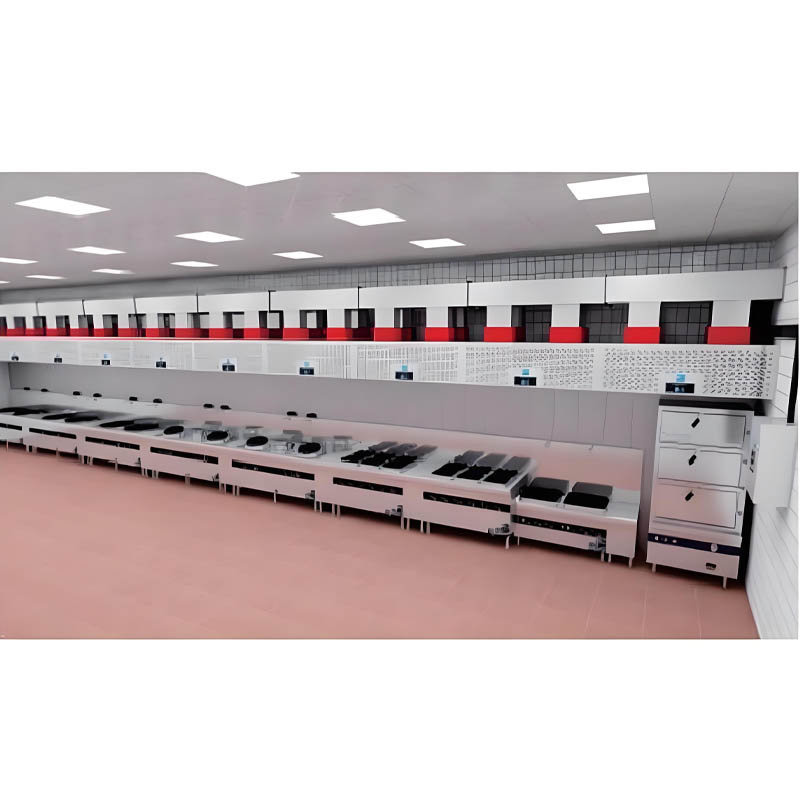
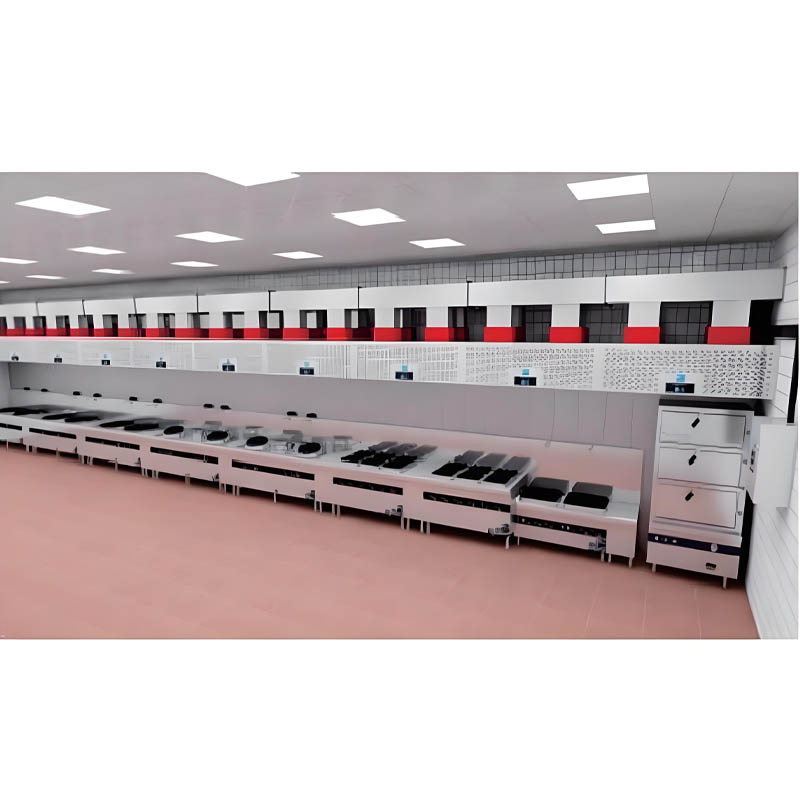
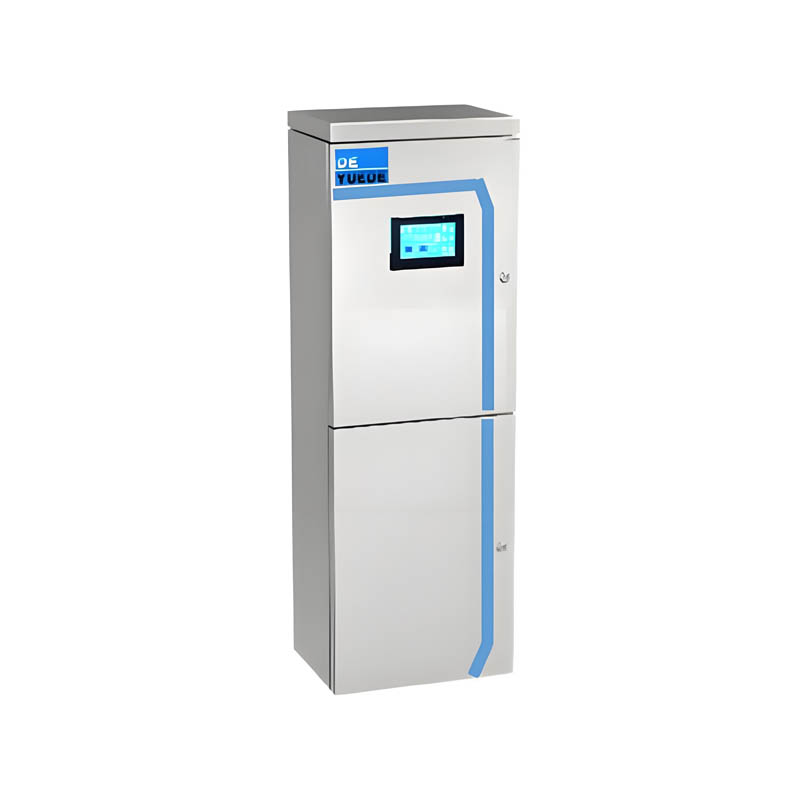
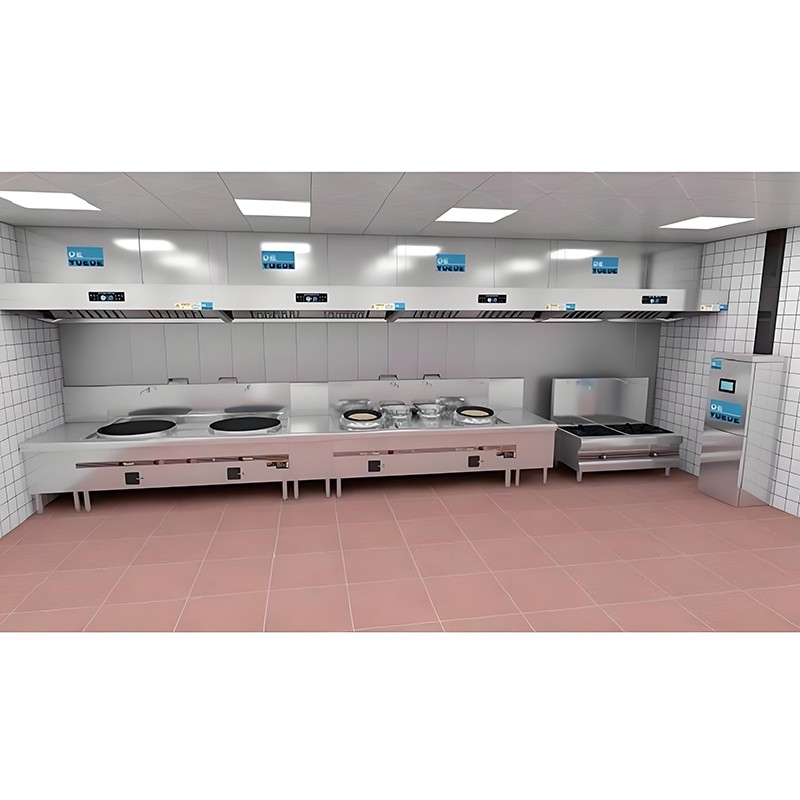
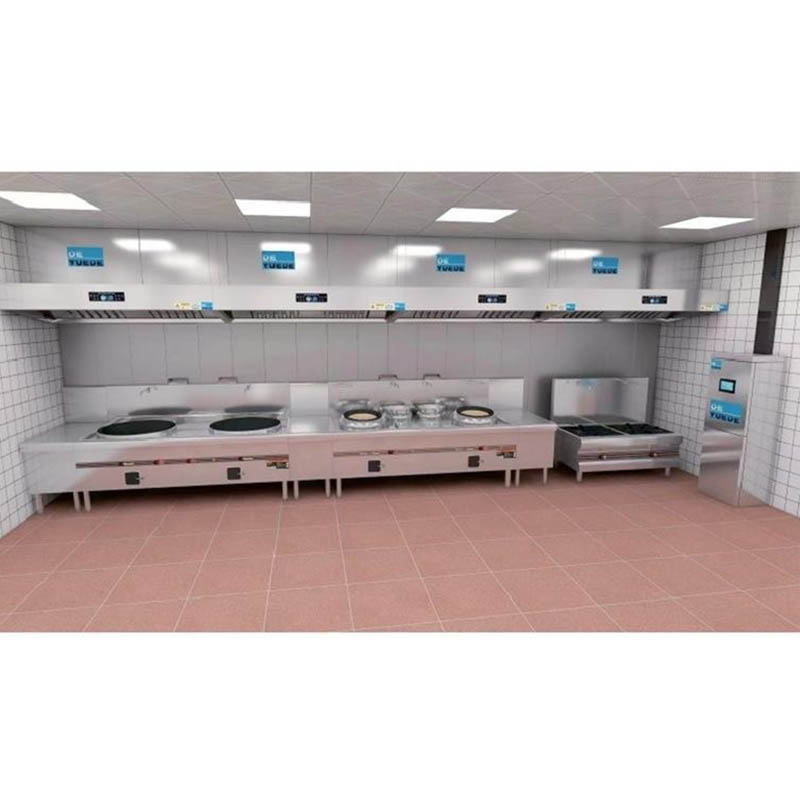
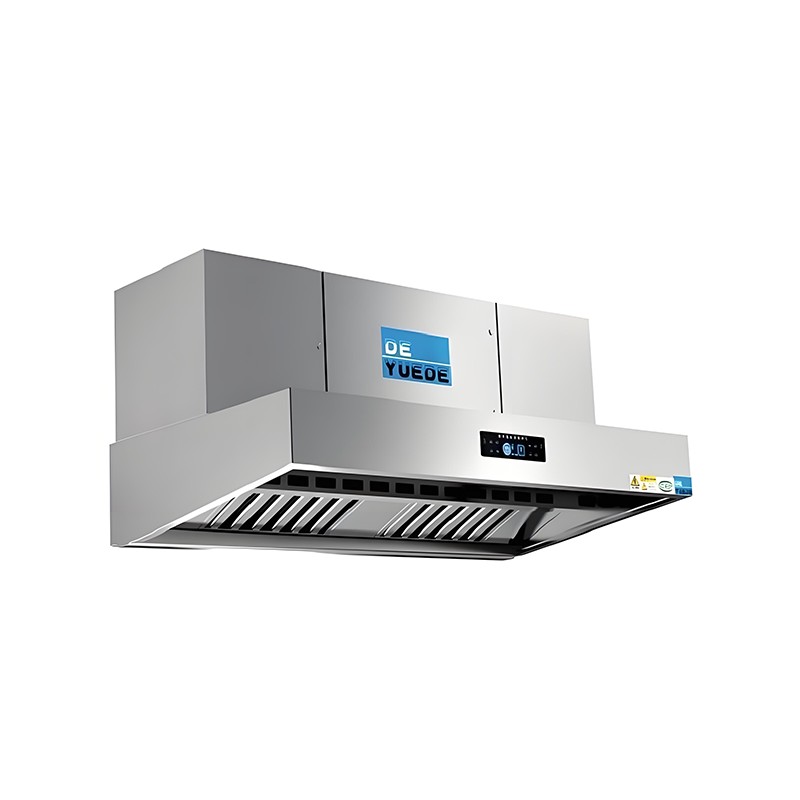
For high-output commercial kitchens, the standard configuration is a ducted hood paired with a high-efficiency purification stage. A large-scale commercial kitchen fume purifier with 98% purification efficiency strips grease from the air stream before it enters the duct, which keeps duct maintenance intervals practical and supports compliance with local discharge requirements.
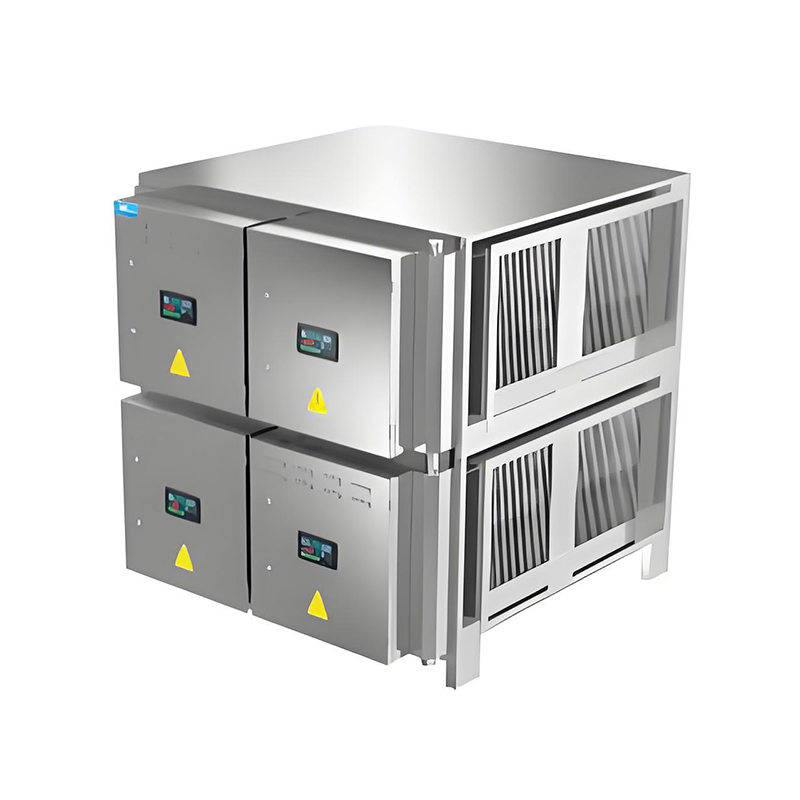 Commercial Kitchen Fume Purifier with Up to 98% Purification Efficiency Suppli Zhejiang Yuede Environmental Protection Technology Co., Ltd. is Commercial Kitchen Fume Purifier with Up to 98% Purification Efficiency... View Product →
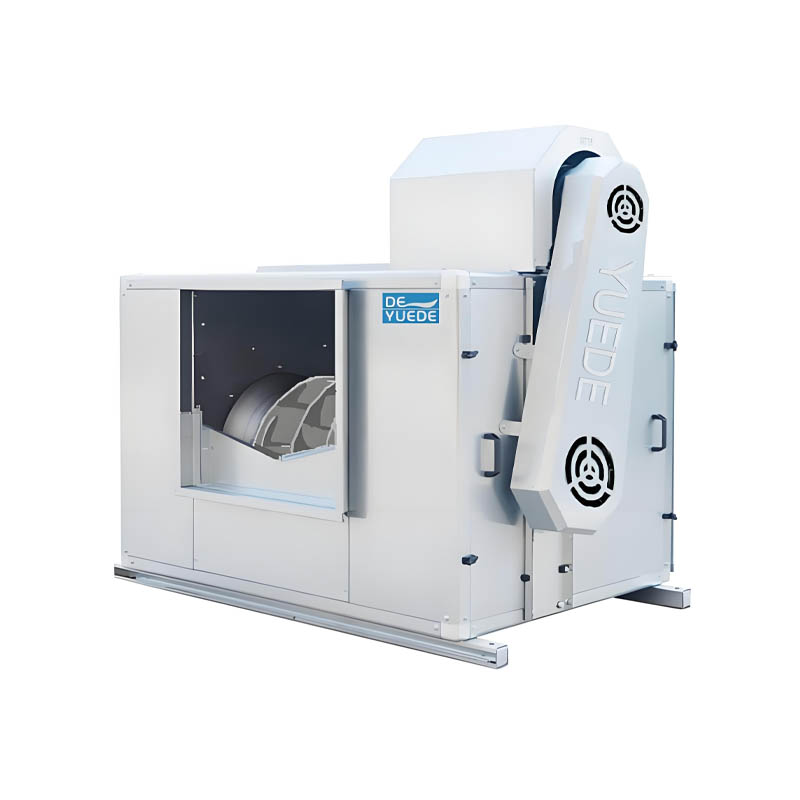
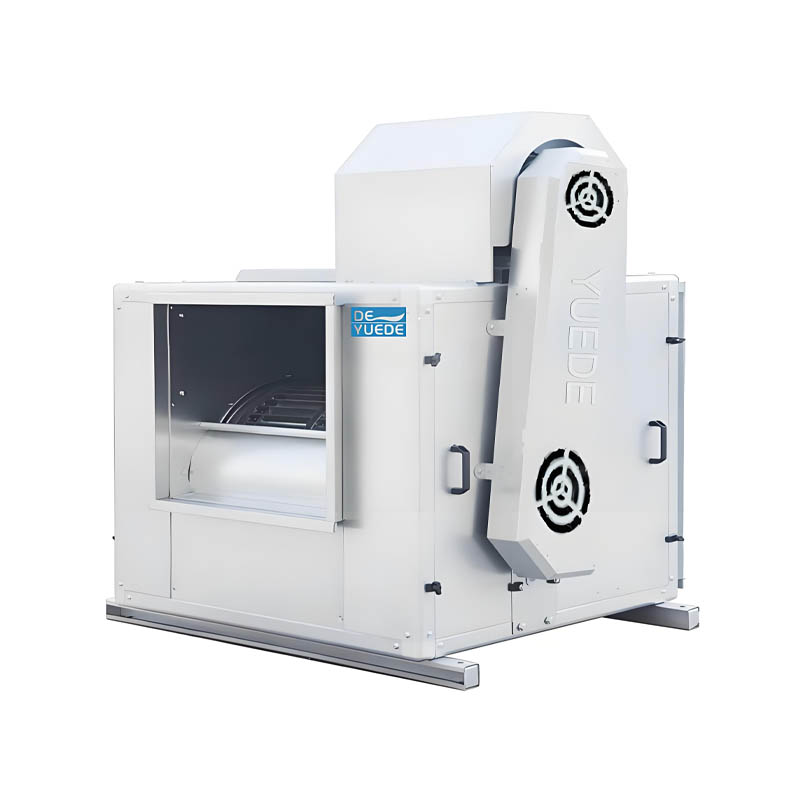
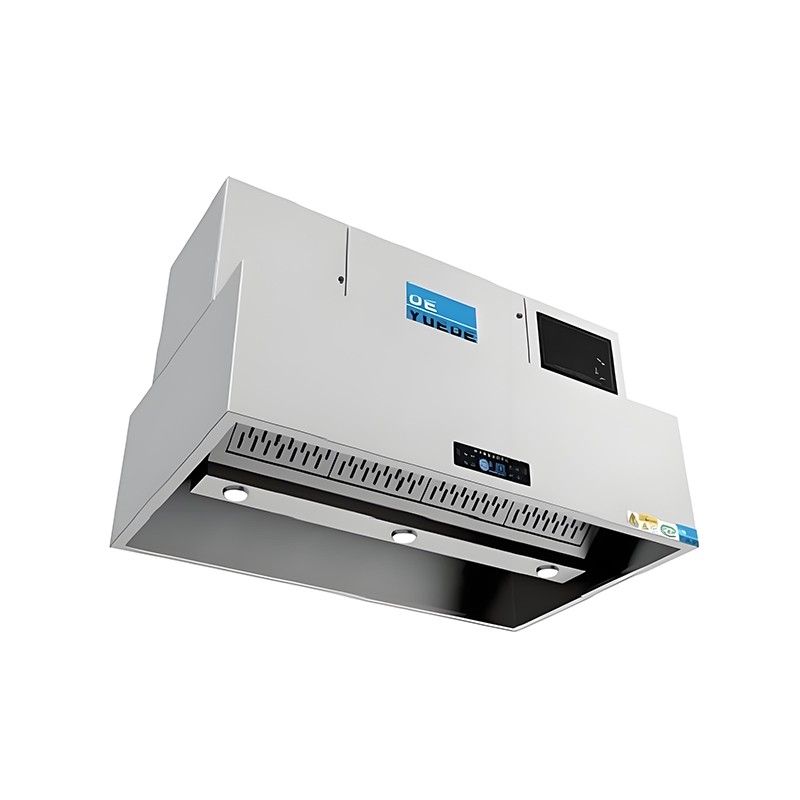
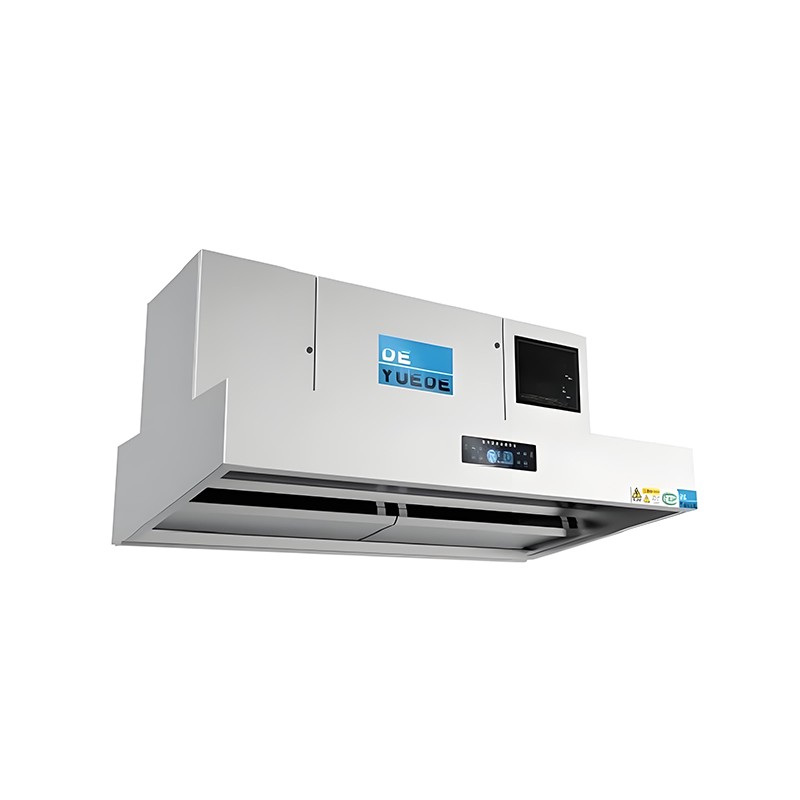
 Where ceiling space is limited or the installation timeline is tight, an integrated package reduces complexity. A commercial kitchen plane oil fume purification integrated machine combines the hood body, filter stage, and extraction fan in one unit, which shortens the design and installation cycle and leaves fewer separate components to maintain.
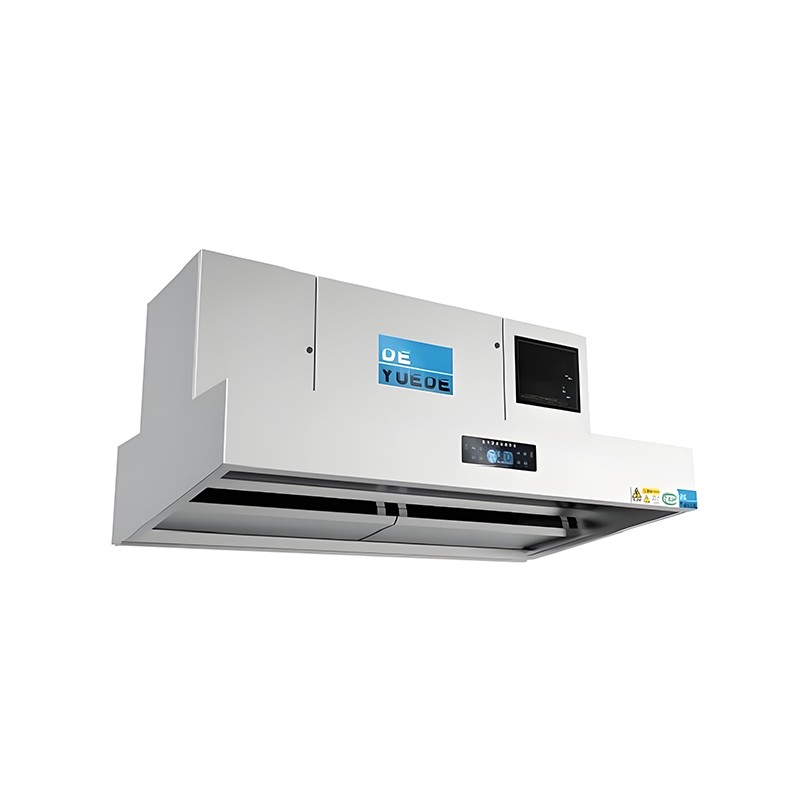 Flat Panel Integrated Hood Manufacturers, Flat Panel Kitchen Ventilation System Custom Flat Panel Kitchen Ventilation System Solution - Yuede is Flat Panel Integrated Hood Manufacturers and Commercial Kitchen Flat Pan... View Product →
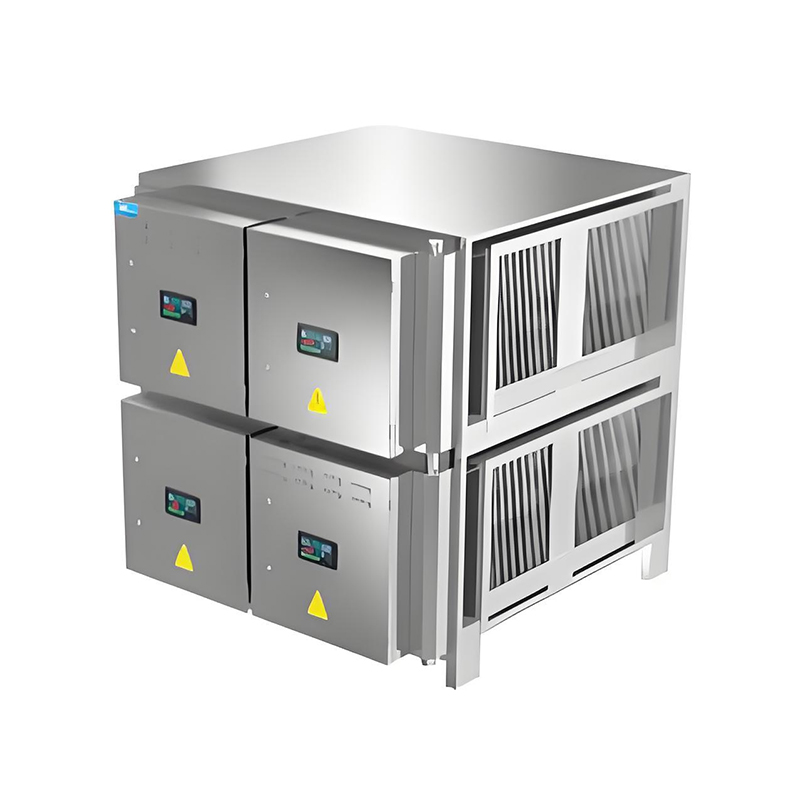
 Operators who want tighter control over energy use can add intelligent automation. A wired intelligent smoke extraction system with optional linkage modulates exhaust volume according to real-time cooking activity, running at lower capacity during quiet periods and ramping up when the line is busy. That approach saves energy without sacrificing ventilation performance.
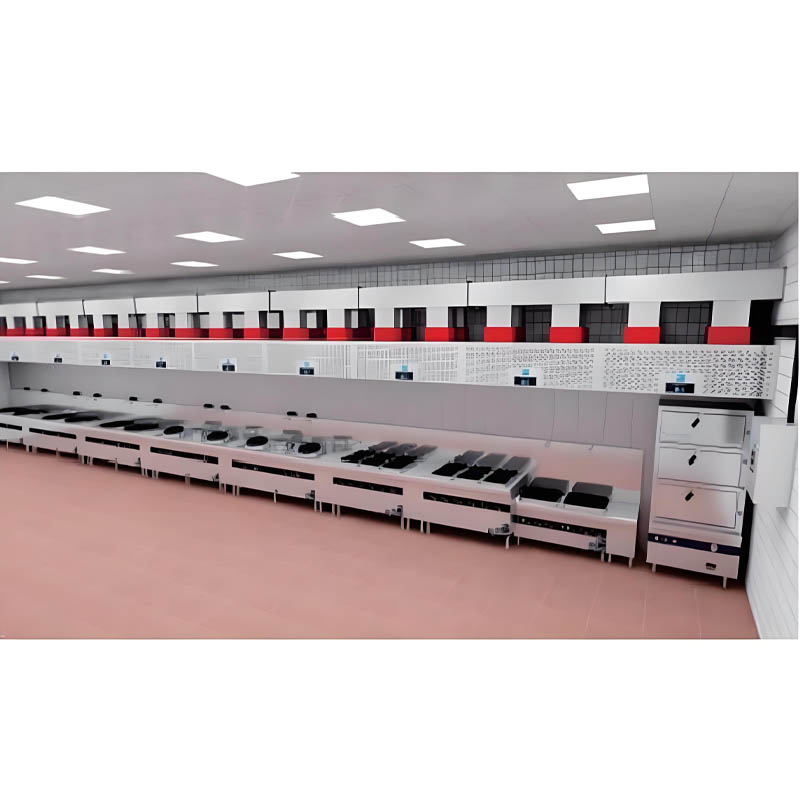 Wired Smoke Extraction System with Optional Intelligent Integration Suppliers, F Zhejiang Yuede Environmental Protection Technology Co., Ltd. is Wired Smoke Extraction System with Optional Intelligent Integration Suppl... View Product →
 The Bottom Line
Do range hoods need to vent outside? Not always, and not in every kitchen. Ductless hoods have a legitimate place in light-duty residential settings and serve as a practical fallback when no exterior path exists. But ducted outside venting removes heat, moisture, smoke, and grease far more effectively. For commercial kitchens and heavy home cooking, outside venting is the standard that protects air quality, reduces fire risk, and satisfies regulatory expectations.
Start with the exhaust path, size airflow to the actual cooking equipment, and select hood and purification components that match the kitchen's duty level. That sequence prevents the most common mistake in kitchen ventilation: installing equipment that looks adequate on paper but cannot handle the heat and grease load during real service. To compare configurations, review the full product range from Yuede Environmental Protection Technology, a manufacturer that builds fume purification, intelligent control, and structural design into a single production system.
- لا. 505 طريق لانشانغ، شارع شينوان، منطقة تشيانتانغ الجديدة، مدينة هانغتشو، مقاطعة تشجيانغ
- +86-(0)571-56682212
- [email protected]
حقوق الطبع والنشر @ Zhejiang Yuede Environmental Protection Technology Co., Ltd. جميع الحقوق محفوظة
